British citizenship in 2026: why you need to hurry
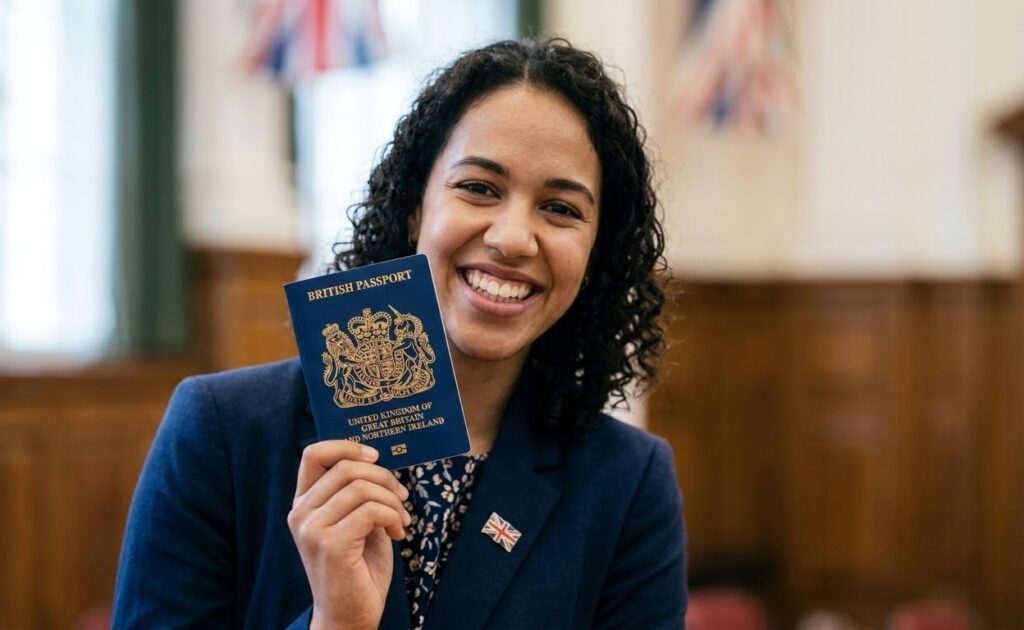

As the UK government moves towards implementing a new earned citizenship model, it is important for individuals who are eligible for British citizenship to consider applying sooner rather than later. This change, which will align with the previously announced earned settlement system, is likely to make it harder for some people to qualify for citizenship under the new rules. In this article, we explore why applying for British citizenship now could be beneficial and how the changes might affect you.
British Сitizenship: What Changes Are Expected in 2026?
The UK government recently outlined plans for a points-based approach to British citizenship, similar to the earned settlement model that was proposed in the Immigration White Paper. This new system will apply a range of criteria to citizenship applications, including language proficiency, time spent in the UK, and other factors. If you are currently eligible for British citizenship but have not yet applied, now may be the ideal time to do so before these changes take effect.
Earned Citizenship Model
The earned citizenship model will introduce a longer qualifying period for applicants. While certain discounts may apply to those who meet specific criteria, such as family members of British citizens, there may also be additional penalties for individuals with adverse immigration histories. This could include individuals with a criminal conviction or those who have been penalised under the earned settlement model.
In addition to the changes in the qualifying period, the English language requirement will increase. Applicants will now need to demonstrate a B2 (upper-intermediate) proficiency level in English on the Common European Framework of Reference for Languages, up from the current B1 (intermediate) level. Furthermore, the Life in the UK Test is expected to be updated, which could make it more challenging for some applicants.
Why You Should Apply Now
Given the upcoming changes to the citizenship application process, it is important to apply for British citizenship while the current rules remain in effect. There is a window of opportunity for those who meet the current eligibility criteria, and applying now may avoid any complications or additional requirements introduced by the earned citizenship model.
Who Might Be Affected by the Changes?
Certain groups are likely to be more adversely affected by the introduction of earned citizenship:
- EU Settlement Scheme Participants: Those who obtained settled status under the EU Settlement Scheme may find it harder to meet the new English language and economic criteria required under the earned citizenship model.
- Long-Term Settled Residents: Individuals who have been settled in the UK for a long time without needing to meet the English language or Life in the UK Test requirements may find it more difficult to qualify under the new system.
- Young Adults and Family Settlements: Young adults, particularly those whose settlement route did not involve points-based criteria, may struggle with the new system. Additionally, applicants on family settlement routes might find their eligibility deferred or impacted.
- Individuals with Criminal Convictions: Applicants with criminal convictions may find it harder to meet the character requirements under the new earned citizenship system.
What Should You Do If You Are Interested in Applying for British Citizenship?
If you are considering applying for British citizenship, it is advisable to take the following steps:
- Confirm your current eligibility, and check the correct route for any relevant family members, including children.
- Plan your budget for Home Office fees and likely related costs such as tests, translations, and supporting documents.
- Take legal advice early if there may be any good character issues, including criminal convictions, past immigration problems, or inconsistencies in previous applications.
- Consider the wider impact of becoming British, including whether your home country allows dual nationality and whether there are any tax implications for your circumstances.
- Make a plan to meet any requirements you do not yet satisfy, including improving your English and passing the Life in the UK Test.
- Monitor and manage absences from the UK to keep within the residence requirements and avoid problems close to the application date.
- Apply as soon as you are eligible and your evidence is ready, to reduce the risk of being affected by future policy changes.
What Happens After You Are Granted British Citizenship?
Once you have been granted British citizenship, you can begin the process of applying for a British passport. It is important to do this in advance of any international travel, as processing times can be long, especially during peak periods such as the summer holidays. Dual citizens will need to travel to the UK using a British passport or a certificate of entitlement to the right of abode. Irish citizens will continue to be able to use their Irish passport for travel to the UK.
Additionally, from February 2026, the UK will require individuals with dual nationality to travel on British travel documents when entering the UK. This change highlights the importance of securing your British passport promptly.
Conclusion
The potential changes to the British citizenship application process under the earned citizenship model make it essential for eligible individuals to apply for citizenship now. With a window of opportunity available under the current rules, applying sooner rather than later could help you avoid the stricter criteria and additional requirements that may be introduced. By taking the time to review your eligibility and gather the necessary documentation, you can ensure that your application for British citizenship is successful before the new system is put into place.
If you need assistance with your application or would like to assess your eligibility for British citizenship, contact Sterling Law’s immigration team for expert guidance and support.