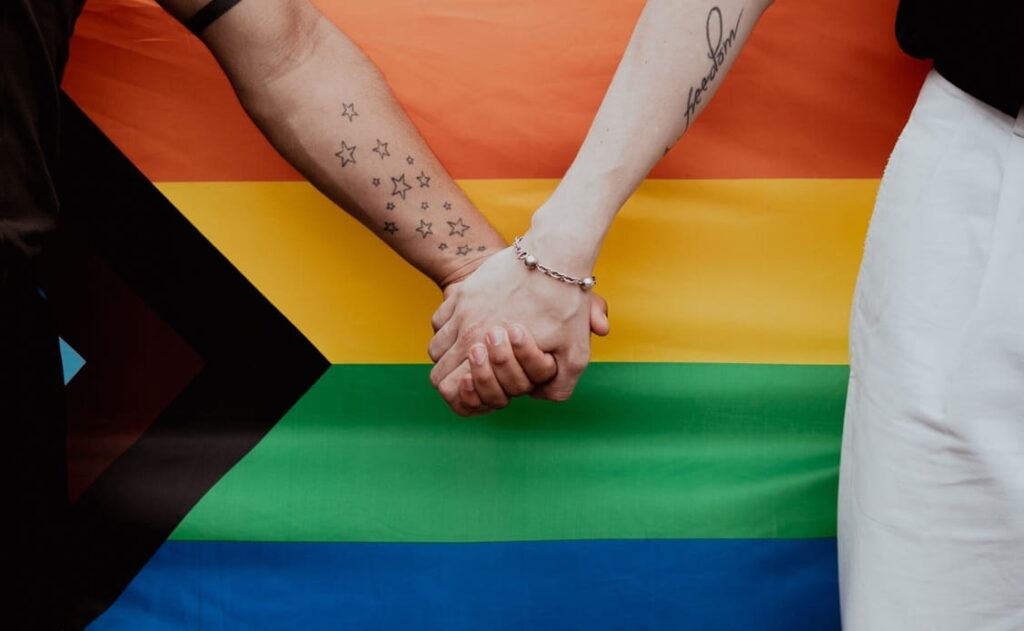
A same-sex partner visa is the term commonly used for a UK family visa application made by a person in a same-sex relationship. In legal terms, there is no separate immigration category created only for same-sex couples. Instead, the application is usually made under the standard partner route, which may apply to a spouse, civil partner, unmarried partner, or, in some cases, a fiancé, fiancée or proposed civil partner.
For many applicants, the legal framework is straightforward, but preparing the case may still require careful work. Same-sex couples may have fewer formal documents, may have lived apart for justified reasons, or may have been unable to document the relationship openly. For that reason, the quality of the evidence and the way the case is presented can be as important as the legal route itself.
At Sterling Law, our same-sex visa lawyers advise on partner applications under the UK family route. We assist with spouse visa, marriage visa, unmarried partner visa, and fiancé visa matters, including complex cases involving limited evidence, previous refusals, and appropriate appeal strategies.
What does a same-sex partner visa cover?
The phrase same-sex partner visa is widely used in search, but it can refer to several different UK immigration routes. The correct route depends on the legal status of the relationship and on the couple’s circumstances at the date of application.
Same-sex spouse visa
This route is generally used where the couple are legally married, and the marriage is recognised in the UK for immigration purposes.
Civil partner route
This route applies where the couple are in a valid civil partnership recognised under UK law.
Unmarried partner visa
An unmarried partner visa may be available where the relationship is genuine and ongoing. In many cases, the couple must either show that they have lived together in a relationship for at least 2 years, or that they have been in a relationship for at least 2 years but have been unable to live together for a valid reason.
Fiance visa
A fiancé visa may be suitable where the couple intend to marry or enter into a civil partnership in the UK within six months of arrival.
Who can apply?
A same-sex partner visa application usually requires both partners to be aged 18 or over. The sponsor in the UK must fall within an eligible category under the family route. In many cases, this means that the sponsor is a British or Irish citizen, is settled in the UK, or otherwise qualifies under the current immigration rules.
The applicant must usually show that the relationship is genuine and subsisting, that both partners intend to live together permanently in the UK, and that the application meets the relevant financial and English language requirements. Depending on the facts, there may also be issues relating to immigration history, suitability, or previous refusals.
Main requirements
| Requirement | What must usually be shown |
|---|---|
| Relationship | A genuine and ongoing relationship |
| Route | Marriage, civil partnership, unmarried partner, or fiancé(e)/proposed civil partner route |
| Sponsor status | An eligible immigration status in the UK |
| Financial requirement | Sufficient income or qualifying funds under the rules |
| English requirement | Required level of English, unless an exemption applies |
| Accommodation | Suitable accommodation in the UK |
| Future plans | A clear intention to live together permanently |
Evidence in support of the application
The exact documents depend on the route and on the facts of the case. However, the following are often relevant:
- current passports and immigration records
- marriage or civil partnership certificate, where applicable
- evidence of cohabitation, where relevant
- records showing how the relationship has been maintained
- financial documents, including payslips and bank statements, where required
- accommodation evidence
- travel history, photographs, messages, or other supporting material where appropriate
- certified translations for documents not in English or Welsh
A strong application is not simply a bundle of documents. It should also present the case clearly and explain how the evidence fits the legal requirements.
Relationship evidence in LGBT and gay marriage cases
One of the most sensitive parts of a same-sex partner visa case is often the relationship evidence. Some gay couples can provide standard documents such as joint bills, tenancy agreements, and formal records of cohabitation. Others may have lived in a country or family setting where documenting the relationship openly was neither realistic nor safe.
That does not mean the application cannot succeed. The key question is whether the evidence, taken as a whole, shows a genuine and continuing relationship. In LGBT cases, it is often important to explain the full context, including why certain documents do not exist, why the couple may have lived apart, or why the relationship was not documented in the same way as in a more straightforward case.
Marriage visa, spouse visa or unmarried partner visa?
Choosing the right route at the start is important. A marriage visa, or spouse visa, is often the right choice when the couple is already legally married. A civil partner route may be more suitable where the relationship has been formalised through a civil partnership. An unmarried partner visa may be the better route where the relationship is durable but not formalised.
A fiancée visa serves a different purpose. It is designed for couples who plan to marry or form a civil partnership in the UK after entry. This route is narrower and comes with practical limits, including the need to marry or register a civil partnership within six months and the fact that the applicant cannot work or study before switching into the next stage of the partner route.
Fees, refusals and appeal issues
Applicants should plan for more than one cost. Same-sex visa fees may include the Home Office application fee, the Immigration Health Surcharge, translation and document preparation costs, and legal fees if a solicitor is instructed. The final amount depends on whether the application is made from inside or outside the UK and on the route being used.
If an application is rejected, the next step depends on the reason. In some cases, a fresh application is the best option. In others, an appeal or a related challenge may be necessary. The right response depends on whether the problem lies in the evidence, the chosen legal route, the way the application was prepared, or a wider issue under the immigration rules.
How Sterling Law can help
Sterling Law advises same-sex couples across the UK on partner applications under the family route. We understand that these cases are often clear in principle but more difficult in practice, especially where the relationship history is sensitive, the evidence is limited, or the matter involves a previous refusal.
Why clients choose Sterling Law
- Сareful assessment of the correct visa route.
- Вupport from an experienced immigration solicitor.
- A detailed review of relationship evidence.
- Assistance with complex LGBT cases.
- Advice on refusals, rejected applications and appeal options.
- Clear guidance on documents, timing, fees and next steps.
We focus on preparing applications that are well-structured, accurate and realistic from the outset. If you need advice from same sex visa lawyers in the UK, or want to discuss a spouse visa, unmarried partner visa, marriage visa or fiancé visa application, contact Sterling Law for tailored legal support.
FAQ about UK same-sex partner visa
1. Can a British citizen or settled person sponsor their same-sex partner in the UK?
Yes, provided the application meets the requirements of the UK partner route, and the sponsor falls within an eligible category under the immigration rules.
2. Can same-sex couples apply for a fiancé visa in the UK?
Yes. In many cases, a same-sex couple can apply as a fiancé, fiancée or proposed civil partner if they intend to marry or enter into a civil partnership in the UK within the required period.
3. Do same-sex couples need to meet the financial requirement?
In most cases, yes. The financial requirement usually applies to same-sex partner applications in the same way as to other partner applications, unless a relevant exception applies.
4. Can I apply if I was previously in a heterosexual relationship?
Yes, provided the current relationship is genuine and ongoing, and the application meets the requirements of the relevant route.
5. Can I apply if we have limited evidence of living together?
In some cases, yes. A strong application may still be possible if the relationship is genuine and the lack of standard documents can be properly explained and supported.